
Monetizing Hot News: How to Capture Revenue When Audiences Spike
Turn breaking-news traffic spikes into revenue with sponsorships, live rooms, micro-paywalls, affiliates, and trust-first messaging.
Monetizing Hot News Without Burning Trust
When a geopolitical shock, earnings surprise, policy announcement, or market scare hits, attention can explode in minutes. That audience spike is tempting: traffic is high, intent is fresh, and people are actively looking for context, action, and reassurance. But breaking news monetization is not just about maximizing revenue in the first hour; it is about doing so in a way that preserves credibility after the spike fades. If you overstuff the page with bad sponsorships, misleading affiliate offers, or aggressive paywalls, you may win a day and lose a year.
The smartest publishers and creator-led media brands treat these moments as a short-duration monetization sprint with strict guardrails. They build a repeatable playbook that balances sponsorship, sponsor selection, micro-paywalls, live rooms, and affiliate marketing while keeping the editorial tone calm, useful, and transparent. If you are also thinking about packaging live coverage, the operational side of modular martech stacks matters, because your monetization tools need to react as fast as the news cycle does. For teams building around high-intent traffic windows, the goal is to convert urgency into revenue without turning the brand into a fire sale.
Pro Tip: The best revenue during a news spike usually comes from combining one premium offer, one contextual sponsor, and one low-friction conversion path instead of forcing every visitor into the same monetization funnel.
That principle is especially important if your audience is finance-aware, risk-sensitive, or skeptical. Readers and viewers coming from a volatile event need accurate framing, fast updates, and a clear reason to trust your recommendations. For that reason, creator teams can learn from finance live streams and from the way publishers structure offers around market moments. The revenue upside is real, but so is the penalty for looking opportunistic.
Why Audience Spikes Create Unique Monetization Windows
High-intent traffic behaves differently
During normal traffic, many visitors are casual. During an audience spike, the audience is often highly motivated, asking the same immediate questions: What happened? What does it mean? What should I do next? That makes the traffic unusually monetizable because the user's intent is concentrated and time-sensitive. In practical terms, this means sponsorship messages, affiliate recommendations, and premium access offers can outperform standard evergreen monetization if they map directly to the event.
Traffic surges also create a scarcity effect. Readers feel time pressure, which increases engagement with live rooms, updates, and guided explainers. If you are running a creator studio, the operational discipline described in enterprise-style creator studio workflows can help your team publish, route, and monetize faster. The winning question is not “How do we show more ads?” but “What is the most useful paid action this audience can take right now?”
Different news types monetize differently
Not every surge deserves the same revenue strategy. A market-moving geopolitical event may support premium live rooms, sponsor takeovers, and analyst-style memberships. A consumer product recall might be stronger for affiliate products, safety checklists, and lead capture. A platform outage or regulatory change may be best monetized through utility content, downloads, and sponsored explainer slots. Teams that understand these differences can match the offer to the event instead of forcing the same layout everywhere.
This is also where editorial packaging matters. A live market room is not the same as a written briefing, and a fast-moving story with follow-up updates may benefit from lightweight redirect logic and routing. If your site has multiple audience segments, international targeting and device-aware delivery, like in international routing for global audiences, can increase conversion by sending users to the most relevant landing page.
Trust compounds after the spike
The immediate revenue from hot news is only half the equation. If audiences perceive that you are exploiting fear, you lose repeat visits, subscription retention, and sponsor appeal. Long-term trust is the asset that makes the next spike more valuable than the last one. That is why the best monetization teams use disclosure, relevance, and restraint as performance tools, not compliance chores.
In practice, this means clearly labeling affiliate links, avoiding sensational clickbait around sensitive events, and keeping paywall prompts aligned to true value. It also means learning from adjacent sectors where credibility is everything, such as identity and consent workflows in customer identity interoperability. When users understand who is speaking, why they are being offered something, and what they get in return, conversion tends to rise rather than fall.
Monetization Models That Work During Breaking News
Short-term sponsorships and takeover packages
One of the fastest ways to monetize a surge is through short-term sponsorships. Instead of selling broad monthly inventory, package a 24-hour or 72-hour “breaking news sponsor” slot with exclusive placement on the live hub, email alerts, and social recaps. This works because sponsors are not buying impressions alone; they are buying relevance, visibility, and association with a high-attention moment. The rate card can be significantly higher than standard CPM pricing if your audience quality and urgency are strong.
The key is sponsor fit. In a market event, the wrong sponsor feels jarring and can damage trust. Use the logic in choosing sponsors from market signals to decide whether a tool, platform, or service genuinely matches the audience mood. For example, during a volatility spike, a portfolio tracker, trading terminal, or news terminal can feel contextually useful. A random consumer product usually cannot.
Premium live rooms and gated analyst access
Live rooms are one of the best monetization engines for audience spikes because they capture urgency in real time. The audience is already watching; you are simply offering a more focused, higher-value experience: faster analysis, more context, direct Q&A, or exclusive guest access. A premium live room can sit behind a one-day pass, a first-month trial, or a limited-time upgrade. The strongest offers feel like relief, not restriction.
If you cover markets, crises, or policy outcomes, think of the live room as the “control center” for the event. This mirrors how readers engage with commodity and finance live streams, where the value lies in interpretation and reaction speed. You can also extend the live room into on-site testimonials, creator commentary, or expert vouches, especially if your platform supports real-time proof and audience trust signals. That layered credibility often increases willingness to pay.
Micro-paywalls and event passes
A micro-paywall is one of the best tools for monetizing a short-lived spike because it asks for a small commitment at the exact moment the audience needs help most. Instead of a full subscription, you can charge for a single explainer, a 24-hour news pass, a topic bundle, or a replay archive. This reduces friction and often converts readers who would never start a long-term subscription during a chaotic event. The goal is to earn a small yes quickly and then nurture the relationship later.
Micro-paywalls work especially well when they are paired with strong utility. For instance, a reader might pay for an “Everything you need to know in 10 minutes” live briefing, a timeline, or a downloadable action checklist. This approach resembles the logic behind early-bird alerts: the offer is time-sensitive, the value is specific, and the decision window is short. In news, clarity beats complexity.
Affiliate marketing with context, not clutter
Affiliate marketing can be effective during a surge, but only when the offer aligns with the event and the reader’s immediate need. During a travel disruption story, useful affiliate angles might include backup luggage, portable chargers, or travel insurance. During a market volatility event, the relevant offers might be charting tools, books, research platforms, or risk-management services. Random product widgets lower trust and usually underperform because they feel opportunistic.
The best teams build topic-specific affiliate modules and only activate them when relevance is high. This is similar to how deal guides work: the value comes from timing, curation, and fit. If the event is sensitive, keep affiliate copy informational and disclosure-forward. If the event is commercial, such as a product launch or industry acquisition, the affiliate layer can be more promotional without feeling exploitative.
How to Build the Revenue Stack for a Surge
Map the event, then assign the monetization layer
Before the spike arrives, define which event types map to which monetization layers. A geopolitical event may support premium live analysis, sponsor placements from financial brands, and newsletter upgrades. A product recall may support a micro-paywall on a safety checklist, lead-gen offers, and contextual affiliate recommendations. A corporate earnings shock may support sponsored recap modules, chart packs, and paid data access. The playbook should live in a simple internal matrix so the team can act within minutes.
This is where operators can borrow from apples-to-apples comparison frameworks. You need to compare event type, audience intent, urgency, ad suitability, and likely conversion path. Once that matrix exists, the editor on shift is not inventing strategy in real time; they are choosing the best-tested route. That discipline removes panic from monetization.
Use a layered funnel, not a single conversion point
Most surge pages should not rely on one monetization mechanism. A better structure is a layered funnel: a free headline and update, a sponsored explainer or live banner, an optional premium room, and a soft subscription or micro-paywall offer. Each layer should be visible only if it adds value. Users who are not ready to pay can still generate ad revenue and affiliate engagement, while high-intent users can move deeper.
The thinking here resembles how shoppable drops coordinate release timing with inventory reality. Revenue improves when the offer and the moment line up. In news, timing is your inventory. The wrong CTA at the wrong minute will underperform even if the offer is good.
Make the conversion path fast and mobile-first
During a spike, a large percentage of traffic arrives on mobile, from social, push, or search. That means the revenue flow must be frictionless. Keep registration short, use guest checkout where possible, and avoid page layouts that bury the monetization offer beneath oversized media. If the user needs to tap through four screens to buy a pass, the moment may be gone.
Operationally, this is similar to the speed requirements in developer SDK design: the best tools remove friction for integrators and users alike. In monetization terms, speed is not just UX polish; it is revenue protection. Every extra step adds abandonment risk.
The Trust Playbook: How to Monetize Without Alienating the Audience
Disclose clearly and early
Trust starts with transparency. If a live room is sponsored, say so. If a link is affiliate-based, disclose it near the recommendation rather than hiding it in a footer. If a micro-paywall exists, explain exactly what the reader gets: analysis, archives, templates, or expert commentary. People are more willing to pay when they know what they are buying and why the exchange exists.
For guidance on preserving clicks while still using structured disclosure, see FAQ blocks and short-answer design. The same principle applies here: small, direct explanations outperform vague marketing language. Honest framing often increases conversion because it reduces suspicion.
Separate editorial urgency from sales urgency
During an event, the editorial team should prioritize clarity, accuracy, and pacing, while the monetization layer should remain supportive and unobtrusive. If every update sounds like a sales pitch, users stop trusting the content itself. The best revenue teams create a visual and tonal separation between the news update and the offer. That can mean a distinct callout box, a subtle badge, or a clearly labeled “premium analysis” section.
This approach echoes lessons from legal and local news dynamics, where credibility and timeliness are inseparable. When an audience believes the newsroom is first to know and first to explain, they are more likely to pay for depth. That relationship is fragile, so protect it.
Plan for the post-spike hangover
The day after the spike matters almost as much as the spike itself. If users feel they were sold something irrelevant after the attention peak, churn rises and repeat engagement falls. Build a post-event follow-up sequence that offers recap coverage, context, and optional deeper resources, rather than immediately pushing another hard sell. The post-spike moment is where trust either compounds or decays.
Teams that think beyond the spike often build “evergreen bridges” into their strategy. For example, a one-time event pass can convert into a topic newsletter, an analyst briefing series, or a broader membership. This is similar to how products survive beyond the first buzz. The initial surge is valuable, but the durable business comes from retention and repeat utility.
Operational Setup: What You Need Ready Before the News Breaks
Create an event monetization checklist
The highest-performing teams do not improvise their way through hot news. They maintain a checklist with sponsor slots, paywall settings, affiliate modules, legal disclosures, live-room settings, and backup creatives. This should be reviewed weekly and tested during low-risk periods so the team is not learning under pressure. If the event is sensitive, the checklist should include brand-safety and editorial approval checkpoints.
Borrowing from risk assessment templates, you can assign ownership for content, commerce, legal, and engineering. That makes it easier to ship revenue features without introducing operational chaos. A clean workflow is the difference between capturing opportunity and creating a mess.
Prepare multiple landing pages and offer variants
Different news stories deserve different landing pages. A market-moving event might need a live dashboard with a premium analysis CTA. A consumer controversy might need a timeline, FAQ, and a low-cost explainer. A policy decision might need a briefing page, sponsor-safe ad layout, and a follow-up subscription offer. Creating variants in advance saves time and improves conversion.
This is where the logic of real-time redirect monitoring becomes useful. If traffic sources change quickly, you need to know where users are going, what they see, and what converts. Fast routing and testing let you optimize the offer mid-spike instead of waiting for the event to end.
Instrument the metrics that matter
Do not measure only total revenue. Track view-to-click rate, click-to-purchase rate, live-room retention, sponsor dwell time, affiliate EPC, and unsubscribe rate after the event. The best monetization decisions come from understanding the tradeoff between short-term gain and long-term trust. Sometimes a lower immediate conversion rate is worth it if retention and repeat visits improve.
If you are building a more advanced audience revenue engine, study how telemetry pipelines create fast feedback loops. Your news monetization system should work the same way: event-driven, measurable, and optimized in near real time. Without telemetry, you are guessing.
| Monetization Model | Best Use Case | Speed to Launch | Trust Risk | Revenue Potential |
|---|---|---|---|---|
| Short-term sponsorship | High-traffic live coverage with brand-safe context | Fast | Medium if misaligned | High |
| Premium live room | Breaking market, policy, or expert-led events | Fast to medium | Low to medium | High |
| Micro-paywall | Utility explainers, timelines, downloads, replay access | Medium | Low | Medium to high |
| Affiliate marketing | Contextual products or tools tied to the event | Fast | Medium if cluttered | Medium |
| Short-term offers | Event passes, limited trials, temporary bundles | Fast | Low if honest | Medium to high |
Examples of Smart Monetization Plays by Event Type
Geopolitical or market volatility
In a geopolitical shock or market volatility window, audiences want interpretation more than sensationalism. The strongest offer is often a premium live room with a strong analyst or host, a sponsor that fits the informational need, and a micro-paywall on a succinct briefing. You can also surface affiliate links to market tools, research subscriptions, or risk-management resources if they are clearly labeled and genuinely helpful. The monetization should make the reader more capable, not more anxious.
This is where event-specific content architecture matters. Coverage of market swings often benefits from timely context and repeat updates like those seen in stocks whipsawing before Iran-related deadlines and stocks rising amid Iran news. Those are exactly the kinds of moments where high-speed editorial decision-making can be monetized if the offers are aligned.
Consumer product recall or safety issue
For consumer safety events, the monetization strategy should be more conservative. A checklist, guide, or FAQ is often the right premium product, while sponsorships should be limited to highly relevant brands. Affiliate monetization may work for replacement products, safety tools, or protective services, but only if the recommendations are clearly utility-first. In sensitive contexts, the audience is more likely to punish aggressive revenue tactics.
Teams can take a cue from decision-focused buyer guides and utility content built around careful evaluation. When people are worried, they want help making a good decision, not a sales funnel disguised as journalism. That is the right place to earn trust and revenue together.
Product launch, earnings beat, or industry breakthrough
Commercial events offer the cleanest monetization opportunities. A new product launch can support sponsor overlays, affiliate bundles, preorder links, and premium interviews. An earnings beat can support analyst briefings, chart packs, and premium transcripts. Industry breakthroughs can support topic memberships, expert Q&A, and branded explainer sponsorships. These stories tend to have less emotional risk than crises, so the revenue layer can be more ambitious.
If your brand covers creator tools, the same logic applies to operational improvements and commerce features. Consider how shoppable drop planning aligns inventory, and how AI discovery optimization improves distribution. In both cases, the right offer, at the right time, wins.
What Great Teams Do After the Spike Ends
Turn the event into a relationship
The real monetization win is not the one-time purchase; it is the path to repeat engagement. After the event, segment users by behavior: live-room attendees, micro-paywall buyers, affiliate clickers, and first-time newsletter subscribers. Then send follow-up content that matches what they cared about most. That keeps the audience warm and improves lifetime value.
You can also convert hot-news audiences into a recurring information product. The event pass becomes a topic newsletter. The live room becomes a weekly brief. The affiliate module becomes a curated resource page. This progression resembles how interview-driven creator series can turn one expert conversation into a repeatable content engine. The audience came for the moment, but they stay for the system.
Review the trust signals
After each spike, review complaints, unsubscribes, social sentiment, and conversion quality. Did the sponsorship feel relevant? Was the paywall fair? Did the affiliate offers fit the story? Did readers feel informed or sold to? These answers should shape your next event playbook as much as revenue numbers do.
That is also where internal process articles become useful. A team that understands versioning and approval workflows is better equipped to manage rapid changes without publishing inconsistent offers. In breaking news monetization, process quality is often revenue quality.
Standardize what worked
Once you identify a high-performing format, turn it into a reusable template. Build a sponsor brief, a live-room layout, a micro-paywall template, and an affiliate kit. Store the winning variants by event type and audience segment. This reduces future launch time and makes revenue more predictable.
Over time, this becomes a real commercial asset: a monetization operating system for attention spikes. The brands that win are not the ones with the loudest offers, but the ones with the best decision trees. They know when to press, when to hold back, and how to preserve audience trust while capturing the peak.
Conclusion: Monetize the Moment, Protect the Brand
Hot news creates a rare window where attention, intent, and urgency are all high at the same time. That window can produce exceptional revenue through sponsorships, premium live rooms, micro-paywalls, affiliate marketing, and short-term offers. But the tactic that maximizes immediate dollars is not always the one that maximizes business value. Long-term trust, repeat engagement, and sponsor quality are what turn one spike into a durable monetization engine.
If you are building a serious revenue strategy, treat audience spikes like a product launch: prepare the stack, pre-approve the offers, define the guardrails, and monitor the metrics. Use the right kind of monetization for the right kind of event. And always ask whether the audience is leaving more informed, more confident, and more likely to return.
For teams expanding their monetization toolkit, it also helps to study adjacent operational and editorial systems such as continuity planning, modular martech, and developer-friendly integration design. The message is simple: revenue during a spike is won by preparation, not improvisation.
FAQ: Monetizing Breaking News and Audience Spikes
How do I monetize breaking news without hurting trust?
Use relevance, transparency, and restraint. Keep sponsorships tightly aligned to the event, disclose affiliate links clearly, and make paid offers feel like useful upgrades rather than bait.
What is the best monetization model during a traffic spike?
There is no single best model. For many publishers, the strongest combination is a contextual sponsor, a premium live room, and a micro-paywall for a highly useful briefing or replay.
Are micro-paywalls better than full subscriptions for hot news?
Often yes, because they reduce friction and fit short attention windows. A small one-time fee is easier to convert than a full commitment when the audience is still figuring out what the event means.
When should I use affiliate marketing on breaking news pages?
Only when the offer directly helps the audience respond to the event. If the affiliate product is unrelated, it will likely lower trust and conversion.
How do I know if a sponsor is a good fit?
Ask whether the sponsor adds utility, matches audience intent, and would still make sense if the page were read five minutes later. If the answer is no, the sponsorship is probably too generic.
What should I do after the spike ends?
Follow up with recaps, segmentation, and a bridge into recurring content or membership. The post-spike phase is where you convert one-time attention into long-term audience value.
Related Reading
- Legal Precedents: How Court Cases Are Reshaping Local News Dynamics - Learn how credibility and speed shape revenue in sensitive news cycles.
- Read the Market to Choose Sponsors: A Creator’s Guide to Using Public Company Signals - A practical framework for picking context-aware sponsors.
- How to Build Real-Time Redirect Monitoring with Streaming Logs - Useful for optimizing traffic routing during sudden audience spikes.
- Design Patterns for Developer SDKs That Simplify Team Connectors - Helpful for teams integrating fast-moving monetization workflows.
- What Procurement Teams Can Teach Us About Document Versioning and Approval Workflows - A strong model for keeping approvals clean under pressure.
Related Topics
Jordan Ellis
Senior SEO Content Strategist
Senior editor and content strategist. Writing about technology, design, and the future of digital media. Follow along for deep dives into the industry's moving parts.
Up Next
More stories handpicked for you
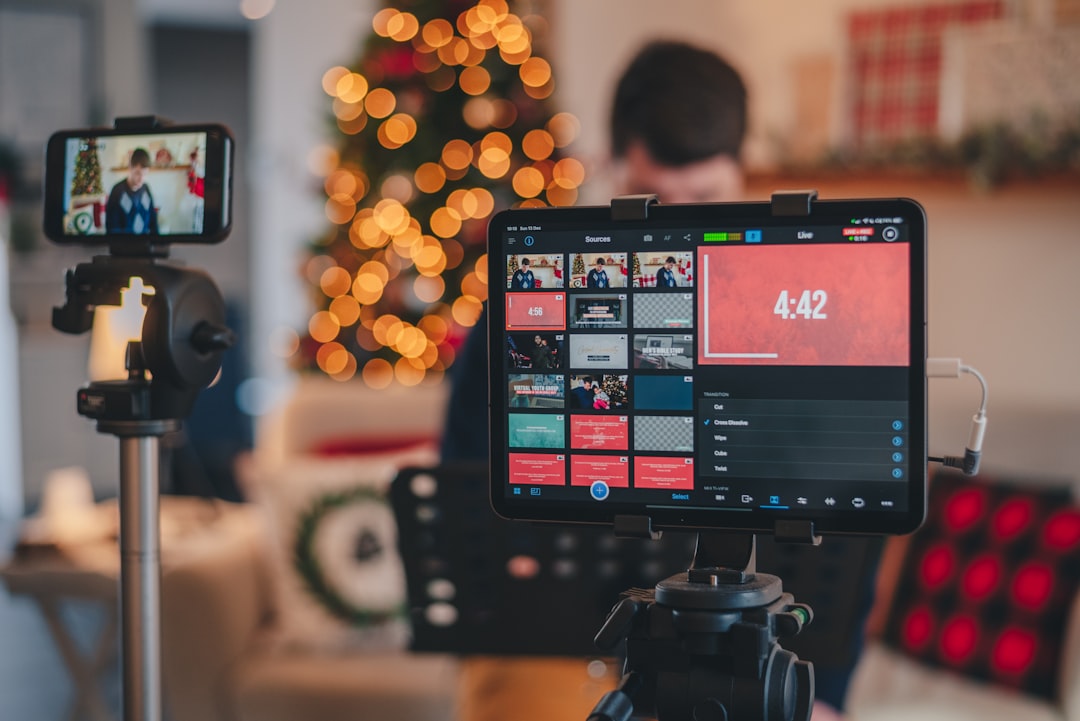
Live-Streaming Through Breaking News: How Creators Respond Quickly Without Losing Trust

How Multi-Role Leaders Drive Creativity: Insights from Esa-Pekka Salonen

Internal ‘Betting’ Markets for Creators: How Teams Can Prioritize Content Like Traders

Run a Mini Prediction Market to Validate Your Next Big Series

Navigating Conflicts in Content: Lessons from the Chess Community
From Our Network
Trending stories across our publication group

When Platforms Raise Prices: A Creator's Playbook to Retain Subscribers and Protect Revenue

From Whipsaw to Wow: Turning Market Volatility into Educational Livestreams Your Audience Will Love

The Art of Album Releases: What Creators Can Learn from the Arctic Monkeys' Debut

Prediction Markets for Creators: Turning Audience Hype Into a Safer Live Content Bet

Physical AI and the Future of Interactive Live Commerce
